




A good Peru trip should leave you thinking about the meal, the mountain light, and the conversation with your guide. Sensible preparation makes more room for those moments.
Peru requires a route-specific safety assessment. The usual Lima–Cusco–Sacred Valley–Machu Picchu journey is different from travel through remote border areas or routes covered by stronger government warnings. Crime, altitude, road conditions, and sudden transport disruption still deserve practical attention on the main tourist route.
This guide uses information checked on 4 November 2026. It is a starting point for planning, including 2027 travel; check your own government’s current advice again before paying and before departure. Machu Picchu Andes Tours can help clarify transport, meeting points, and day-to-day arrangements, while your decisions should remain tied to the actual route and conditions.

Highlights of a More Confident Travel Plan
- Arrive with your first transfer and hotel already confirmed.
- Match activities to your health, walking ability, and time at elevation.
- Keep a spare day between the Machu Picchu return and an essential onward flight.
- Choose services with a verifiable identity and clear written inclusions.
- Use local guidance for the streets and transport you will use that day.
- Carry an assistance plan that works even when your phone has no signal.
Trip Details for Safety Planning
- Geographic scope: Peru, with emphasis on Lima, Cusco, the Sacred Valley, and Machu Picchu.
- Main considerations: theft, transport, demonstrations, altitude, weather, and activity-specific risks.
- Best preparation window: before booking, then a second check shortly before departure.
- Sample itinerary: three days in Lima, showing a measured arrival and orientation sequence.
- Walking level in the sample: low to moderate on paved surfaces.
- Insurance focus: medical treatment, evacuation where relevant, activity cover, disruption, and baggage.
- Emergency planning: save local numbers, your insurer’s assistance line, and your country’s consular contact.
What Current Travel Advisories Say
The U.S. advisory dated 4 September 2026 places Peru at Level 2: Exercise increased caution, with stronger warnings for specified areas. It distinguishes Cusco city and nearby tourist routes such as the Sacred Valley, Inca Trail, and Machu Picchu from the affected areas. The same advisory includes warnings concerning the Colombia border, VRAEM, and named adjoining locations, including Abancay. Read its full map and route descriptions before traveling outside the usual circuit. U.S. Department of State advisory
Your nationality matters because your government’s guidance can affect insurance and consular assistance. Check the route you will actually drive, including transfer corridors. A hotel in one destination does not tell you whether every road used to reach it falls under the same advice.
Travel warnings describe categories of risk. They do not predict what will happen to an individual traveler, and a tour booking is not a guarantee that all risk has disappeared.
The Main Risks and the Decisions That Help
| Situation | What to arrange or do | What to clarify |
|---|---|---|
| Airport arrival | Use a verified transfer or authorized service | Driver name, vehicle, meeting point, and late-arrival process |
| Crowded street or market | Keep valuables secured and use your phone away from the roadside | A suitable place to stop and check directions |
| Cash withdrawal | Prefer an ATM inside an operating bank or established business | Bank fees and a discreet place to put cash away |
| Evening outing | Arrange the return before you leave | Pickup location and how to identify the vehicle |
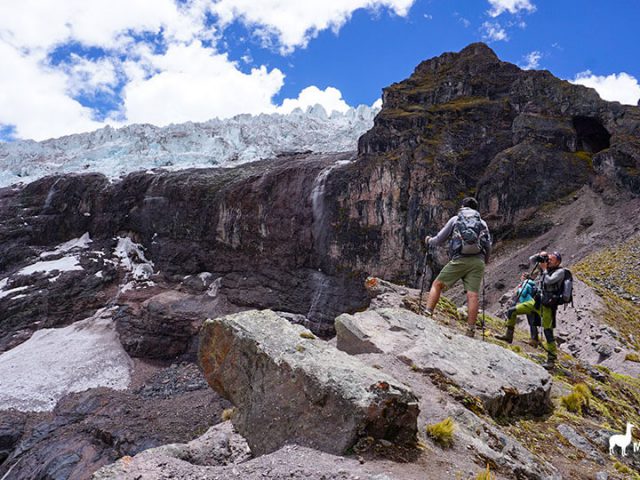
| Mountain day | Build acclimatization time and listen to symptoms | Elevation, walking demands, and evacuation arrangements |
| Demonstration or roadblock | Stay away and follow verified local updates | Whether to wait, change route, or cancel |
| Remote boat or trail outing | Use a provider with suitable equipment and procedures | Communication coverage, first aid, and nearest assistance |
These are practical habits, not a promise that a neighborhood or provider is completely safe.
Is Lima Safe?
Choose accommodation according to the streets you will use, the arrival time, and your planned outings. Miraflores, Barranco, and San Isidro are common bases, but theft and more serious incidents can occur in areas used by travelers. Avoid assuming that a district name makes every street equally suitable after dark. FCDO crime guidance
Ask hotel staff about your exact walking route. A daylight route to a restaurant may be straightforward, while the return later in the evening deserves a vehicle. Keep your phone out of sight near the curb, avoid displaying jewelry, and place a bag where someone cannot lift it from behind your chair.
For airport transport, use the confirmed pickup arrangement or an authorized service inside the airport process. Match the driver’s identity and vehicle details before entering. If an unexpected person says your transfer has been canceled, contact the booked provider through the number you already have. Lima Airport authorized taxi information
Is Cusco Safe?
The practical concerns combine city travel with elevation. Keep the first day light, plan evening transport, and be careful on uneven paving. A short uphill street can feel harder than a much longer coastal walk.
Protect your belongings in markets, restaurants, stations, and busy plazas. Use the hotel safe according to its conditions, but keep the identification required for that day’s transport or entrance accessible. Carry a copy separately so losing one bag does not also remove every record of your booking.
Be cautious with unsolicited offers for unusually cheap tours, last-minute ticket access, or ceremonies. A seller’s confidence does not establish permits, insurance, or competence. Check the company identity and the actual service before paying.
The Sacred Valley and Machu Picchu
Road transfers, stone stairways, and the order of tickets matter more than the label attached to the package. Ask which vehicle is used, whether every passenger has a functioning seat belt, and where the driver will meet you after the train.
At Machu Picchu, stay within the permitted path, keep clear of drops, and do not step over barriers for a photograph. Wet stone requires slower movement. A mountain climb adds steep terrain and a separate ticket requirement; it should match your ability and current eligibility rules.
Buy entrance access through the official ticket system or a verifiable agency issuing the correct named ticket. An operator cannot guarantee stock that is unavailable. Check names, document numbers, date, route, and time before finalizing the journey. Official Machu Picchu ticket platform
Road, Bus, Rail, and Boat Safety
Use established transport providers and confirm the journey details. On long road sections, ask about rest stops and driver arrangements. A route that is technically possible can still be a poor choice when it combines fatigue, a late arrival, and another early departure.
Keep passports, money, medication, and electronics under your control on buses. Do not leave essential items in an unattended overhead rack. Australian guidance specifically highlights theft on buses and risks associated with unlicensed taxis. Smartraveller Peru advice
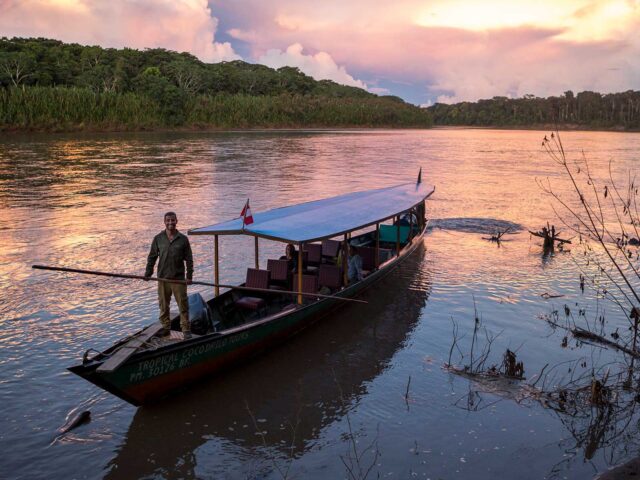
On boats, wear the supplied life jacket and follow boarding instructions. Ask whether an outing is operating under the relevant authority’s current clearance. A canceled departure in rough conditions is a reason to use the backup plan, not a reason to seek a less cautious operator.
Rail tickets should leave enough time for the preceding bus or guided route. Missing a train can mean another hotel night, so avoid a sequence that only works if every queue is short.
Altitude and Health
Give the First Days Room
Fitness does not reliably predict who develops altitude illness. A lower sleeping base after arrival in Cusco can be useful, but it is not a guarantee. Keep initial exercise light and discuss your itinerary with a clinician if you have relevant heart or lung disease, a prior serious altitude problem, or another condition that may alter the plan.
Do not ascend to sleep higher when you have altitude symptoms. If symptoms worsen at the same elevation despite rest, descend and seek care. Confusion, poor coordination, or breathlessness at rest requires urgent assistance. Water, tea, and a positive attitude do not replace assessment or descent. CDC altitude guidance
Food, Water, and Mosquitoes
Use safe drinking water and choose food prepared and stored appropriately. Carry the medications you normally need in labeled packaging. A travel-health appointment can address vaccines and prevention based on the exact destinations.
Amazon travel requires a different assessment from a Lima-and-Cusco itinerary. Mosquito-borne disease recommendations depend on region and elevation, and some routes may call for yellow fever vaccination or malaria prevention. CDC Peru health guidance
Avoid using an agency’s general reassurance as a substitute for individual medical advice. The guide needs to know relevant limitations, but does not decide whether a prescribed medication is appropriate.

Solo Travelers, Women, and Families
Solo travel benefits from a simple communication habit: tell someone your route and when you expect to return. Keep a backup way to reach the hotel or operator. Choose social activities without giving strangers your room number or complete onward schedule.
For evenings out, keep control of your drinks and arrange the ride back. If something feels wrong, leave the situation and seek assistance from a known provider, hotel, or authority. Harassment or assault is the offender’s responsibility; practical precautions do not shift that responsibility to the traveler.
Families should check child restraints, boat rules, walking distances, and whether a room can actually accommodate the booked party. A lower admission price says nothing about whether a child is suited to a strenuous activity.
LGBTQ+ travelers should review current guidance and assess the local setting. Social attitudes can vary by place and situation. Ask for accommodation and transport arrangements that meet your needs without accepting sweeping promises about how everyone will behave. FCDO traveler guidance
Demonstrations, Strikes, and Weather Disruption
Demonstrations can interrupt roads, trains, airports, or border services, sometimes with little notice. Avoid gatherings and barriers, follow official instructions, and confirm the day’s operating status with the actual transport provider. Foreign travelers should not participate in political demonstrations. FCDO disruption guidance
Keep a flexible overnight option and enough medication for a delay. Do not ask a driver to force a passage or use an unverified track around a blockage. A revised departure should be based on a route confirmed to be open and appropriate.
For wet-season road travel, check local weather and access reports. A forecast for Cusco city is not a road-condition report for an entire mountain corridor.
A Three-Day Lima Arrival and Orientation Plan
This sample shows how to reduce avoidable pressure at the beginning of a longer Peru trip. It is not a security guarantee, and the sequence should be adapted to your flight.
Day 1 — Airport to Hotel
Meet the verified driver and settle into the accommodation. Choose a nearby meal or eat at the hotel if you arrive late. Save the operator and hotel numbers while you have Wi-Fi.
- Technical details: road transfer; optional 1 km / 0.6 mi walk; coastal elevation; low exertion; overnight Lima.
- Daily highlight: a simple arrival with the next step already clear.
Day 2 — Guided Orientation
Use a guide and vehicle for a manageable city route, then identify the places you may return to independently. Ask how the neighborhood changes after dark and where to arrange reliable transport.
- Technical details: approximately four hours of guiding; around 2–4 km / 1.2–2.5 mi walking; pavement and occasional steps; overnight Lima.
- Daily highlight: learning the city’s layout through streets, buildings, and a shared conversation.
Day 3 — A Measured Next Step
Take a short independent outing or the planned onward transfer. If flying to Cusco, keep the arrival afternoon light and consider a lower overnight base in the Sacred Valley.
- Technical details: road transfer as booked; optional 1–2 km / 0.6–1.2 mi walk; low exertion before any altitude change; overnight according to the onward program.
- Daily highlight: continuing with clearer bearings and fewer arrival-day decisions.
Private and Shared Orientation Prices
The following illustrative proposal covers the four-hour guided Day 2 only: guide, road transport for the agreed city route, hotel pickup and return within a specified service area, and one standard museum or monument admission. It excludes accommodation, airport transfers, meals, flights, insurance, and additional admissions. These are not confirmed Machu Picchu Andes Tours rates or guaranteed 2027 tariffs.
| Private party size | Proposed price per person | Practical benefit |
|---|---|---|
| Two | US$135 | A route and discussion pace tailored to your questions |
| Four | US$95 | Transport and guide costs divided within your party |
| Six | US$80 | A coordinated outing with your own group |
Illustrative shared orientation price: US$65 per person. Confirm the actual group cap, language, pickup area, and common route. The guide must balance the needs of several travelers, so spontaneous changes may be limited.
As a market comparison, Lima Mentor’s direct listings distinguish half-day and full-day products, transport, admissions, and group arrangements. Compare those features before judging a price. Direct operator reference
Additional Services and Discounts
Allow US$35–65 per vehicle for an airport transfer as a planning estimate, with capacity, time, and destination confirmed separately. An extra guide hour, accessible vehicle, or late pickup requires a dated quote.
Admission discounts depend on each attraction. A free or reduced child ticket does not remove transport or guiding costs. Submit relevant documents before booking and ask for the resulting total rather than assuming a standard dollar reduction.
Why Arrange Support With Machu Picchu Andes Tours?
Ask Machu Picchu Andes Tours to identify the actual drivers, guide arrangements, pickup points, and operational contact for the services you book. Written clarity is useful when a flight changes or a street is closed.
Request a realistic account of equipment and assistance: functioning restraints, a suitable first-aid kit, the nearest appropriate medical facility, and the procedure if a traveler cannot continue. A support number should state when it is monitored; do not assume every service includes round-the-clock assistance.
Where a route includes a local household, workshop, or community, confirm consent, payment, and the purpose of the stop. Respect private spaces, photographs, and local routines. Safety and respectful conduct support each other.
Preparation and Packing Checklist
Before booking: check government advice for the entire route, verify the provider, compare cancellation terms, and obtain insurance suited to the planned activities. MINCETUR provides a directory of tourism businesses and guides that can help verify basic details. Official provider search
A few days before travel: reconfirm pickups, save offline documents, share the itinerary with someone you trust, and check the operating status of the first transfer.
Carry: original accepted identification, a separate copy, insurance information, prescribed medication, payment cards stored separately, a small amount of cash, a charged phone, power bank, appropriate clothing, sun protection, and a small first-aid supply appropriate to your needs.
Discuss mobility aids, medical equipment, assistance animals, or professional filming gear in advance. Equipment that enters the country may still have separate transport or site restrictions.
Service Notes and Lost Property
Confirm whether return transport reaches the hotel door or an accessible meeting point. Ask who holds stored luggage, whether a receipt is supplied, and what valuables should remain with you. Check the seat and footwell before leaving a vehicle.
Read payment terms before sending a deposit. The invoice should separate service fees from tickets or other supplier commitments. A higher price is not evidence of stronger security, and a low price should not prevent you from asking the same practical questions.
If an item is lost, contact the provider promptly with the date, vehicle or room, and a description. For theft, seek police guidance and contact your insurer and consulate as appropriate. Report lost cards quickly through your bank’s official channel.
Emergency and Assistance Contacts
| Need | Contact | How to use it |
|---|---|---|
| Police | 105 | Immediate police assistance |
| Fire and rescue | 116 | Fire or rescue emergency |
| SAMU medical assistance | 106 | Medical assistance where the service operates; local coverage varies |
| IPERÚ tourist assistance | WhatsApp +51 944 492 314 | Official tourism information and help with service problems |
These numbers are listed by Peruvian authorities. IPERÚ is not a substitute for emergency response. Save your hotel’s local medical contact and your insurer’s assistance number as well. Official emergency numbers · IPERÚ assistance
Frequently Asked Questions
Is a guided tour always safer than traveling independently?
A competent operator can coordinate transport, provide local information, and respond to changes. Quality varies, so verify the actual arrangements. Independent travelers can also plan carefully and use guides selectively.
Can I walk around after dark?
Assess the exact route with current local advice. Arrange transport when streets are quiet, unfamiliar, or unsuitable for your circumstances. A daytime walk is not automatic evidence that the same route suits a late return.
Should I carry my passport everywhere?
Carry the original when an authority, transport provider, or attraction requires it. Keep a separate copy and ask about local identification requirements. A copy does not replace the original for every service.
Is drinking more water enough to prevent altitude illness?
No. Sensible hydration is useful, but acclimatization, symptom recognition, and appropriate descent matter. Discuss preventive medication with a clinician when indicated.
How far ahead should I arrange tours?
Book limited tickets and complex routes well ahead. A simple city service may be available close to departure, but only written confirmation establishes that it has been arranged.