

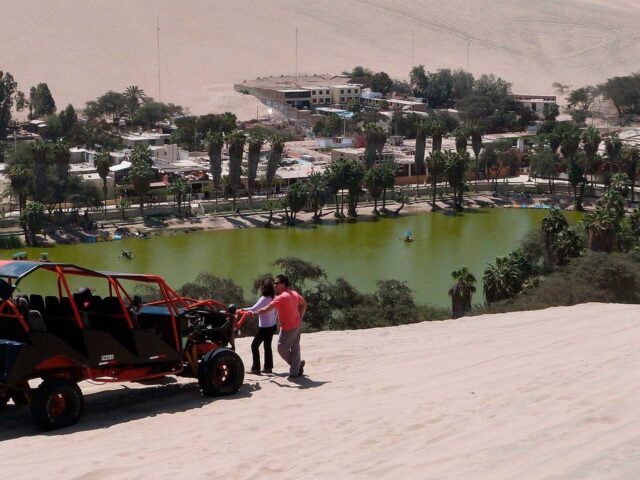


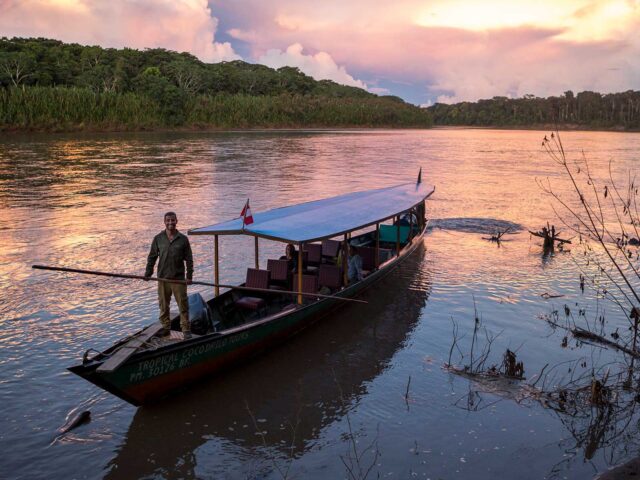
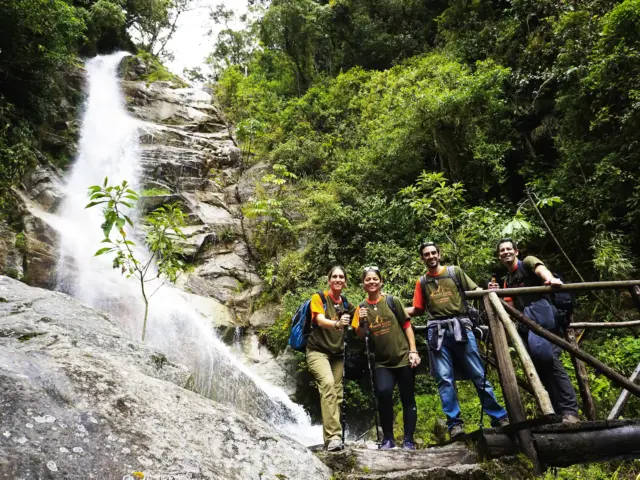
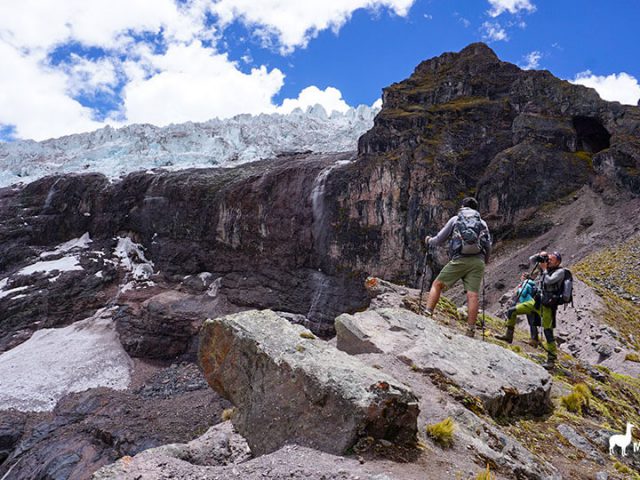

A blue-sky morning in Cusco and a warm afternoon on Lima’s coast do not follow the same calendar. Choose your dates around the part of Peru you most want to see, and the rest of the journey becomes easier to arrange.
For a first trip centered on Cusco, the Sacred Valley, and Machu Picchu, May and September are strong starting points. April and October can also work well when you accept more changeable weather. If beach days are the priority, the central and southern coast usually favors the warmer months from December to March.
Those are planning judgments based on seasonal patterns, not a weather promise. This guide uses information checked on 4 November 2026 and explains the trade-offs for a 2027 booking. Machu Picchu Andes Tours can help fit the route to your available dates, including the tickets and overnight stops that need attention first.

Highlights of Choosing Your Dates Carefully
- Put clearer Andean walking conditions ahead of an arbitrary month if mountain trails are your main goal.
- Match coastal days to the kind of holiday you want: warm sand, city food, museums, or a boat outing.
- Allow for river levels when choosing an Amazon lodge or cruise.
- Trade a little weather certainty for a less compressed schedule during transitional months.
- Plan around festival demand if a specific celebration matters to you.
- Keep one flexible day so a closed port or a delayed flight does not take away the entire activity.
Trip Details
- Countrywide answer: there is no single weather season that suits every region equally.
- Main Andean planning window: generally May–September for lower rainfall, with colder nights.
- Central coast sunshine priority: generally December–March.
- Amazon planning: year-round rain is possible; river conditions matter alongside rainfall.
- Recommended first-trip length: ten to fourteen days if you combine more than one region.
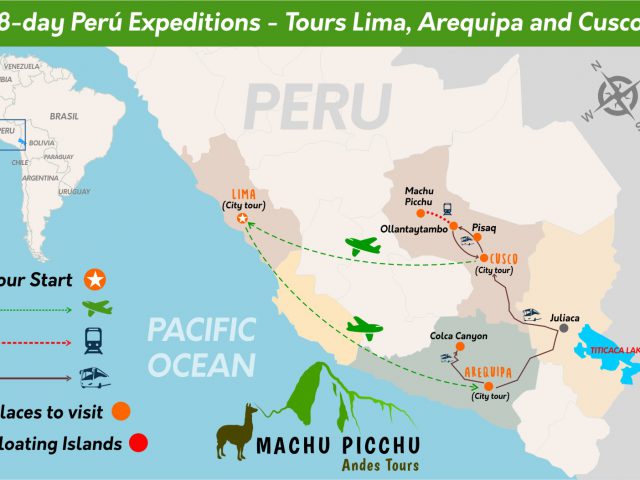
- Sample itinerary below: seven days and six nights in the Cusco region, with hotel accommodation.
- Activity level: short town walks and archaeological stairways; no high-pass trek included.
- Booking focus: entrance route first, then rail and accommodation, subject to actual ticket release.
Peru’s Three Weather Regions
The Coast
The central coast, including Lima, generally has warmer, brighter summer conditions and more cloud or mist in winter. The north has a different temperature and rainfall pattern, so a beach plan near Tumbes should not be based on Lima’s forecast. Peru’s terrain and ocean influence produce large differences even within one region. SENAMHI climate information
For a city stop, gray skies need not spoil the day. Museums, meals, and neighborhood walks remain worthwhile. For a holiday built around sunbathing, however, that same gray afternoon may matter a great deal. Decide which result you are paying for before selecting a month.
The Andes
The southern Andes have a wetter part of the year and a drier part. Lower rainfall does not mean mild nights: winter mornings in the highlands can feel sharp, especially before sunrise. Rain tends to return during the transition toward November. PROMPERÚ seasonal overview
Cusco city, a high mountain pass, and Machu Picchu do not share one forecast. The citadel sits lower, beside steep green slopes where mist and showers are possible in any month. Carry rain protection even when the wider region is in its drier season.
The Amazon
Think about the activity, not simply a dry-season label. Higher water may make flooded forest routes accessible by boat; lower water can change landings and walking options. A lodge outside Puerto Maldonado and a cruise near Iquitos need separate advice.
SERNANP identifies May–October as a recommended period for Tambopata, while rain remains part of rainforest travel. Ask the actual lodge how river levels affect its transfer and outings. Tambopata official destination information
A Month-by-Month Planning Table
The table summarizes typical patterns rather than a forecast for a particular week. Use it to narrow your options, then check local conditions near departure. Regional distinctions follow the official tourism and weather sources above and PROMPERÚ’s climate guide.
| Month | Cusco and the southern Andes | Central coast | Practical planning choice |
|---|---|---|---|
| January | Wetter conditions; muddy paths possible | Warm summer period | Favor coast-plus-city plans and flexible Andean days |
| February | Wet season; Inca Trail maintenance closure must be considered | Warm summer period | Separate rail-based Machu Picchu plans from trail plans |
| March | Rain can remain significant | Summer warmth continues | Leave road and flight buffers in mountain itineraries |
| April | Transitional weather | Warmth gradually eases | Consider mixed-region travel with rain protection |
| May | Lower rainfall becomes more dependable | Cooler coastal conditions begin | A strong choice for a mountain-centered first trip |
| June | Drier days and cold nights | Cloudier winter pattern | Book ahead around Cusco’s major festivities |
| July | Dry-season mountain travel; cold mornings | Often gray and cool | Allow for school-holiday and national-holiday demand |
| August | Generally lower Andean rainfall | Winter coast conditions | Prioritize hikes, but keep warm layers ready |
| September | Often a useful Andean balance | Coastal winter starts easing | Good for a route centered on Cusco and the valley |
| October | Showers become more likely | Gradual warming | Build flexibility into hiking days |
| November | Wetter transition in the Andes | Warmer coastal trend | Keep ambitious mountain combinations conservative |
| December | Wet-season planning becomes necessary | Summer begins | Book holiday-period accommodation early |
Which Month Fits Your Priorities?
For Machu Picchu and the Sacred Valley
Start by comparing May, June, September, and October against your tolerance for rain and demand. June may appeal if Inti Raymi is part of the trip; September can suit travelers whose main goal is the route itself rather than a festival.
Do not buy a particular month solely for a sunrise photograph. Cloud, your permitted entry time, the purchased route, and the surrounding mountains affect what you can see. A patient afternoon can be more rewarding than an early start spent staring into mist, but no time slot guarantees a clear view.
For Multiday Trekking
Lower rainfall usually makes logistics simpler, yet dry-season conditions still include cold camps, strong sun, and demanding altitude. Ask for the route’s highest point and sleeping elevations, not only the number of walking days.
The Inca Trail network has an annual February maintenance closure. The official 2026 announcement confirms that year’s closure and reopening; obtain the corresponding operating calendar for your 2027 departure before purchasing flights around a trek. A closure of the trail network is not the same thing as a routine closure of the Machu Picchu citadel. SERNANP maintenance announcement
For the Amazon
Choose between the activities your lodge can deliver in the relevant river conditions. Near Iquitos, operators publish different high-water and low-water programs; their precise seasonal divisions can vary. Ask about the itinerary attached to your departure date. Delfín seasonal itinerary library
In Tambopata, wetter months can bring muddier walks while lower water can lengthen or alter boat transfers. Cold fronts can also reach the southern Amazon. Wildlife sightings are never guaranteed by the month alone. Rainforest Expeditions seasonal guidance
For Fewer Crowds
Consider transitional months and a route with more overnight stops. Spending the night in Ollantaytambo, for example, gives you time in town outside the hours of a brief day excursion. That is a scheduling benefit, not a guarantee of empty streets.
A private guide can adjust discussion time and some stops. The guide cannot remove other travelers from public sites or change a fixed entrance route. If a quieter pace matters, give the itinerary more time rather than relying on a promise of solitude.
For Festivals
Inti Raymi is held on 24 June. Decide whether you want that date at the center of the journey or prefer to avoid the related pressure on hotels and transport. Seat availability, category, and 2027 prices need their own confirmation. EMUFEC event information
Other public holidays, school breaks, and local festivities can affect demand independently of weather. Check the actual calendar for your dates before interpreting a fare increase as a permanent change in Peru’s travel costs.
A Seven-Day Andean Itinerary With Weather Flexibility
This program uses hotels and rail travel. It leaves space at the beginning to adjust to elevation and avoids placing a demanding hike immediately after the flight. Distances are approximate allowances for the suggested walks.
Day 1 — Cusco Airport to the Sacred Valley
Travel to a lower overnight base and keep the afternoon quiet. Watch the valley open below the road, then settle into a room where you can sleep early if needed.
- Technical details: road transfer, often around 1.5–2.5 hours depending on hotel and traffic; minimal walking; Urubamba around 2,870 m / 9,416 ft; overnight in the valley.
- Daily highlight: a slower first afternoon with the mountains already around you.
Day 2 — A Gentle Valley Day
Choose a short town walk and a long lunch. If you feel well, add a modest outing; if you do not, keep the day light. A garden courtyard or covered restaurant makes a wet afternoon easier to handle.
- Technical details: short vehicle journeys as required; 1–3 km / 0.6–1.9 mi walking; mainly paved or firm paths; overnight in the valley.
- Daily highlight: time to notice irrigation channels, fields, and the rhythm of the town.
Day 3 — Terraces and Ollantaytambo
Choose the day’s stops after reviewing weather and energy. Stone steps can be slippery in rain; a longer town stop may suit you better than an additional steep site.
- Technical details: road transport; 2–4 km / 1.2–2.5 mi walking with optional stairways; moderate effort; overnight Ollantaytambo area.
- Daily highlight: the scale of the terraces above a town still threaded by stone lanes.
Day 4 — Rail Journey to Aguas Calientes
Travel on your confirmed train, then prepare for the following day’s entrance. In wet months, a dry change of clothes and a protected camera bag are more useful than a crowded evening schedule.
- Technical details: train and short town walks; approximately 2,040 m / 6,693 ft; low exertion; overnight Aguas Calientes.
- Daily highlight: mountain slopes close around the railway as the air becomes more humid.
Day 5 — Machu Picchu and Cusco
Take the shuttle and follow the purchased route. Let the guide adapt pauses within the permitted movement pattern; keep stairs clear when other people need to pass.
- Technical details: bus, about 1.5–2.5 hours on a standard archaeological route within its permitted stay, train, and road transfer; citadel around 2,430 m / 7,972 ft; overnight Cusco.
- Daily highlight: stone walls, terraces, and changing cloud arranged around the same mountain setting.
Day 6 — Cusco With a Flexible Afternoon
Use the morning for a manageable city program and keep the afternoon available for a museum or an earlier activity displaced by weather. A buffer day is useful even when nothing goes wrong.
- Technical details: walking and vehicle as needed; 2–4 km / 1.2–2.5 mi; around 3,399 m / 11,152 ft; overnight Cusco.
- Daily highlight: a day with room to follow your curiosity and your energy.
Day 7 — Departure or an Added Day
Take your arranged airport transfer. If the broader trip continues to the Amazon, use the actual flight schedule to determine whether a same-day lodge arrival is realistic.
- Technical details: road transfer and onward flight; low exertion; no hotel night in the base program.
- Daily highlight: the next stage begins with a clear transport plan.
Private and Shared Service Budgets
These are illustrative proposals for the seven-day program, not confirmed 2027 agency tariffs. The assumed base includes six hotel nights in shared double or twin rooms, breakfasts, one valley lunch, specified local admissions, standard tourist rail, one Machu Picchu route, round-trip shuttle buses, scheduled guiding, and road transfers. Flights, insurance, tips, and unlisted meals are excluded.
The comparison is informed by current direct-market products, including a two-day valley-and-Machu-Picchu package advertised from US$497 in November 2026. Longer programs add hotel nights and services; they cannot be priced by multiplying an entrance ticket. Market reference
| Private party size | Proposed price per person | Reason to choose it |
|---|---|---|
| Two | US$1,590 | Guide discussion and road stops arranged around your priorities |
| Four | US$1,390 | Shared fixed costs within your own party |
| Six | US$1,290 | More space for a coordinated family or group schedule |
Illustrative shared-service price: US$1,090 per person. Ask for the maximum group size on each excursion. Shared tours normally follow common departure points, walking pace, and meal stops; participants and languages can vary. Train and public shuttle seats remain shared in both models.
Private service can make weather-related rearrangement easier when suppliers have room, but it does not guarantee a refund, a replacement ticket, or access through a closure.
Optional Additions
Allow approximately US$80–160 per room for an extra midrange hotel night and US$60–150 per person per direction for a rail upgrade as budgeting examples only. A private half-day guide, specialist photography support, or a festival seat requires a dated quote. Confirm any additional transport and admission costs at the same time.
Discounts
Have age, nationality, residency, and student eligibility checked separately for each admission. Seasonal hotel offers do not change government ticket rules. No universal package reduction applies to every traveler, and a student card accepted by one attraction may not be accepted by another.
Why Arrange the Dates With Machu Picchu Andes Tours?
Ask Machu Picchu Andes Tours to compare two possible date windows using the same room category and route. That makes the trade-off visible: ticket stock, expected weather, transport gaps, and the total price.
For valley activities, request the name of the community or business involved rather than accepting a general promise of local benefit. Around Chinchero or Maras, pay for demonstrations and purchases directly through the agreed arrangement, ask before taking portraits, and respect working areas.
On this hotel-based itinerary, confirm vehicle maintenance, seat belts, first-aid provision, and the procedure for changing a stop. If you add trekking, request a separate equipment list, sleeping arrangements, food-handling details, and dietary provisions. Private meal adjustments may carry a charge; discuss severe allergies before committing.
What to Confirm in the Inclusions
- Hotel names, room category, heating arrangements, and breakfast schedule.
- Exact train service and current baggage allowance.
- Entrance date, route, and time, with guiding clearly stated.
- Road transfers, including any station-to-hotel return.
- Admissions, meal counts, and the passenger cap on shared outings.
- Rain-related change procedures and supplier cancellation terms.
Do not assume that a weather change makes every prepaid service refundable. Ask which arrangements can move and which require a new purchase.
Preparation Before and During the Trip
Several months ahead: settle the main region, compare dates, and check ticket releases. Around six months ahead is a sensible point to begin for limited Machu Picchu or Inca Trail inventory, but availability controls the actual outcome.
A few days ahead: review local weather, rail notices, and road conditions with your operator. Tell your hotel about late arrivals and confirm storage for the larger suitcase.
During travel: carry rain protection even under blue skies, take time on wet stone, drink according to thirst, and speak up if altitude symptoms develop. Do not add a high mountain hike simply because a free day has appeared.
Payments should follow the agreed invoice and currency. Confirm transaction costs and whether the deposit immediately purchases named tickets. Keep receipts and offline copies of each confirmation.
What to Pack for Your Chosen Season
- Original accepted travel document and copies of reservations.
- Waterproof jacket and a cover or dry bag for electronics.
- Warm midlayer and evening clothing for the Andes.
- Walking shoes with reliable grip; spare socks for wet days.
- Sunhat, sunscreen, and sunglasses for exposed routes.
- Personal medication, insurance details, and any clinician-recommended supplies.
- Insect protection appropriate to the rainforest or lower valley itinerary.
- Small rail bag, charging equipment, and a refillable water bottle.
Advise reservations about mobility aids, animals, professional equipment, or special dietary needs well ahead of travel. A rainier month can change how accessible a path feels, even when its official route remains the same.
Service Notes, Availability, and Disruptions
Train class, hotel category, and the Machu Picchu route must appear on the confirmation. Choosing private service does not provide permission to switch circuits inside the site. If the desired route has sold out, discuss another valid route or date before paying for incompatible transport.
Return from Machu Picchu to Cusco
The return normally combines the shuttle to town, a train to the booked station, and road transport onward. Confirm the hotel drop-off point and any final walk. Keep a buffer before a flight or an essential appointment the following day.
Heavy rain, landslides, strikes, and official restrictions can alter schedules. A responsible plan may involve waiting, changing an overnight stop, or canceling an activity. Road and rail blockages require verified operational updates, not assumptions based on yesterday’s departure. FCDO safety guidance
For higher or more demanding additions, discuss relevant health conditions with a clinician before departure. If altitude symptoms worsen, stop ascending and seek assessment; confusion, poor coordination, or breathlessness at rest requires urgent help and descent. A drier month does not reduce the elevation. CDC altitude guidance
Check the seat, overhead space, and hotel room before leaving. Report missing belongings promptly with the service date and a clear description; keep essential documents and medication with you throughout the route.
Frequently Asked Questions
Is the rainy season a bad choice?
It depends on the route. City-based travel and rail-based plans can still work, but mountain paths and road transfers may require more flexibility. Build the itinerary around conditions you can accept instead of expecting a discount to remove the weather trade-off.
Which season balances the coast and the Andes?
Late April or May, and sometimes October, can be useful compromises. This is a planning recommendation rather than a promise of beach weather and dry mountains on the same trip.
Does dry season mean no rain at Machu Picchu?
No. Carry rain protection throughout the year. The local setting can produce mist and showers even when Cusco has a dry day.
Will a private tour avoid crowds?
It can adjust some timing and your guide’s pace. It cannot control the number of people with tickets to the same public site.
When should I ask for a 2027 quote?
As soon as your main dates are credible. Ask Machu Picchu Andes Tours for a route comparison, then confirm issued tickets and supplier terms before treating the trip as secured.