



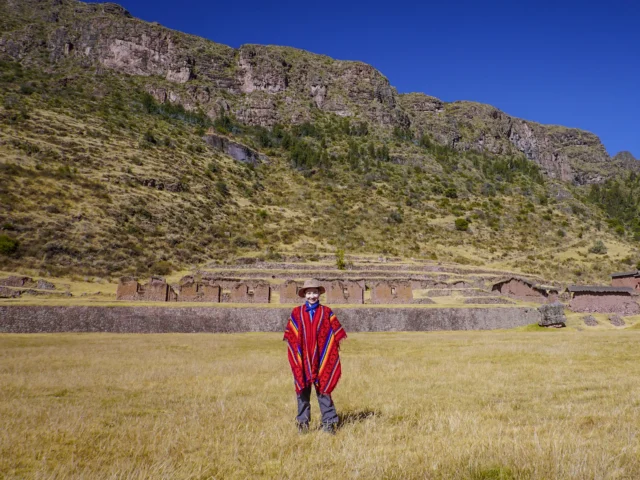
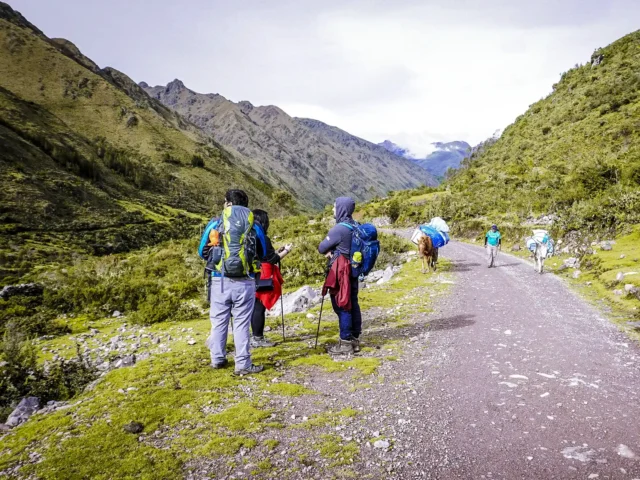
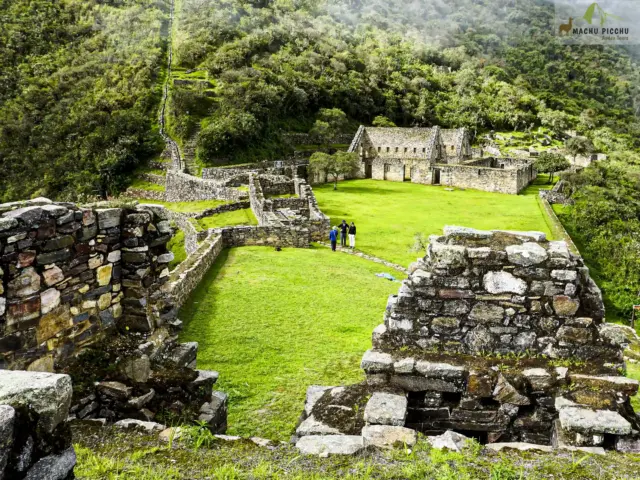

Ten days can take you from the sound of sea lions on the Pacific to stone terraces above a green mountain gorge. The route works when every stop earns its place—and when travel time is treated as part of the holiday.
For a first trip, combine Lima, Paracas, Huacachina, the Sacred Valley, Machu Picchu, and Cusco. This gives you coast, desert, and Andes without adding another distant region. One coast day is long; travelers who prefer a gentler pace can remove Huacachina or use the shorter regional alternative below.
Machu Picchu needs its own confirmed entrance route and rail plan. Availability can tighten well before departure, so ask Machu Picchu Andes Tours to check that part first, then shape the surrounding days. The itinerary and prices here are planning proposals, using information checked on 4 November 2026, rather than a guaranteed departure or fixed 2027 tariff.

Highlights of This Ten-Day Route
- Start beside the ocean, giving yourself a softer arrival before the Andes.
- Watch marine wildlife from a boat near Paracas, subject to sea conditions.
- See desert dunes rise around Huacachina without pretending it is a quiet, undeveloped oasis.
- Sleep in the Sacred Valley before taking on longer walks at elevation.
- Reach Aguas Calientes the day before Machu Picchu, reducing pressure on the entrance morning.
- Give Cusco a full day, with time for stonework, markets, and a proper meal.
- Return to Lima before the international departure day, keeping a useful travel buffer.
Trip Details
- Duration: ten days and nine nights.
- Start and finish: Lima.
- Accommodation pattern: three nights Lima, one Paracas, two Sacred Valley, one Aguas Calientes, two Cusco.
- Transport: two domestic flights, tourist road vehicles, one boat outing, tourist train, and shuttle bus.
- Main walking level: easy to moderate, with uneven paving and steep archaeological steps.
- Highest overnight base: Cusco, approximately 3,399 m / 11,152 ft.
- Excluded from the base route: multiday treks, Rainbow Mountain, Lake Titicaca, Colca Canyon, and the Amazon.
- Season: possible across the year when transport and sites operate; the best month depends on your weather priorities.
- Travel style: suitable for travelers who want several regions and accept some substantial transfer days.
Why These Places Fit Together
| Place | Why it earns time | Suggested role in the route | Main trade-off |
|---|---|---|---|
| Lima | Coast, architecture, museums, and a broad restaurant choice | Arrival and departure base | Traffic can consume a large part of a short stop |
| Paracas | Marine wildlife and desert coastline | One overnight, with a boat attempt the following morning | Boat operation depends on sea conditions |
| Huacachina | Dunes and a sharp contrast with the Andes | Afternoon stop on the coast section | Adds road time and optional higher-impact activities |
| Sacred Valley | Inca terraces, working towns, and a lower sleeping base | Two nights before Machu Picchu | Too many sites in one day can become tiring |
| Machu Picchu | Mountain setting and Inca engineering | One overnight in Aguas Calientes plus the entrance day | Route, time, and rail tickets need coordination |
| Cusco | Stone-built streets, archaeological sites, and a useful final Andean base | Two nights | Altitude affects the pace even on short walks |
Lima’s historic center, Cusco, and Machu Picchu are included on UNESCO’s World Heritage list. That recognition does not tell you how long to stay, but it explains why architecture and archaeology deserve more than a quick photograph. UNESCO Peru listings
The Ten-Day Itinerary
Walking distances and travel durations below are approximate planning allowances. Traffic, site access, weather, and the booked transport product change the actual day. Exact departure times should come from your confirmed program.
Day 1 — Arrive in Lima
Meet your arranged driver and travel to the hotel. If the flight arrives late, make dinner and sleep the whole plan. If there is daylight and energy left, take a short walk near your accommodation.
A first evening in Miraflores or Barranco can put the ocean and several restaurants within easy reach, but the right hotel depends on your arrival time and next transfer. Do not cross the whole city simply to fit in one more stop.
- Transport: airport-to-hotel road transfer; walking optional.
- Walking: about 1–2 km / 0.6–1.2 mi if you choose an outing.
- Terrain and effort: pavement; low exertion.
- Overnight: Lima, coastal elevation.
- Daily highlight: dinner with the Pacific air nearby and no further intercity journey required.
Day 2 — Lima to Paracas
Travel south along the coast, allowing for traffic leaving Lima. After reaching Paracas, take a manageable reserve outing or a shoreline walk, depending on arrival and conditions.
The desert can feel dry and exposed even when the air is cool. Keep a light wind layer and sun protection close. Paracas is a good place to slow the pace before the following day’s longer combination.
- Transport: road vehicle; allow roughly 4–5 hours from the relevant Lima pickup area, with traffic and stops affecting the total.
- Walking: approximately 1–3 km / 0.6–1.9 mi across selected stops.
- Terrain and effort: sand, firm tracks, and pavement; low to moderate effort.
- Overnight: Paracas, near sea level.
- Daily highlight: the edge where pale desert slopes meet the ocean.
Official destination information places Paracas a few hours south of Lima; use a larger door-to-door allowance than the fastest road estimate. PROMPERÚ Paracas information
Day 3 — Ballestas Islands, Huacachina, and Lima
Take the morning boat outing if authorized to operate. Sea lions, seabirds, and Humboldt penguins are among the wildlife associated with the islands, but every sighting is conditional. Remain seated when instructed, keep your life jacket on, and do not feed animals.
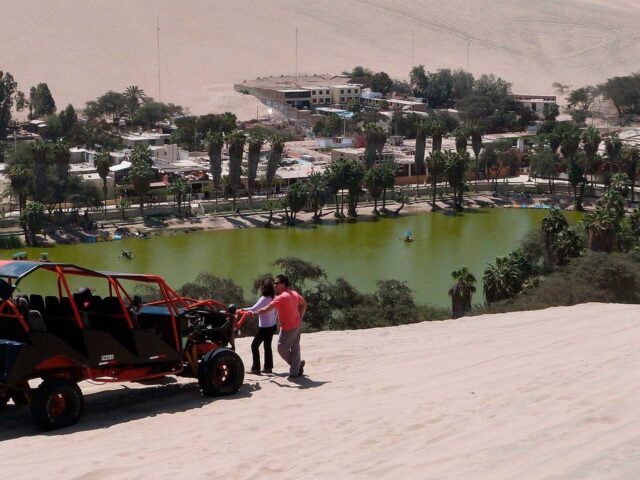
Continue by road toward Ica and Huacachina. Choose a short walk around the lagoon or a separately booked dune activity. Then return to Lima for the night.
This is the longest coast day. It can involve around six or more hours on the road, in addition to the boat, meals, and stops. If that does not fit your travel style, omit Huacachina and return from Paracas with a less demanding schedule.
- Transport: boat, then road vehicle between Paracas, Ica, and Lima.
- Activity time: a Ballestas outing is commonly around two hours including the sea journey; full operating time varies.
- Walking: about 1–3 km / 0.6–1.9 mi; dune walking is harder than the distance suggests.
- Terrain and effort: boat boarding, pavement, and loose sand; optional buggy rides involve jolting movement.
- Overnight: Lima.
- Daily highlight: two very different coastal settings before the return to the city.
SERNANP provides access details for the islands, while PROMPERÚ identifies Huacachina as a developed lagoon destination surrounded by services. Ballestas information · Ica information
Day 4 — Fly to Cusco and Continue to the Sacred Valley
Take the domestic flight, then continue by road to the valley hotel. Avoid filling the transfer with steep archaeological stops. Your first task is to see how your body responds to the change in elevation.
The drive brings a different palette: fields, adobe walls, and mountain slopes replacing the coast’s sand and concrete. Settle in, eat lightly if that suits you, and leave the afternoon open.
- Transport: flight to Cusco and onward road transfer.
- Walking: short hotel or town walks only.
- Elevation: Cusco approximately 3,399 m / 11,152 ft; Urubamba approximately 2,870 m / 9,416 ft.
- Effort: low; the road route can cross higher ground before reaching the hotel.
- Overnight: Sacred Valley.
- Daily highlight: your first Andean night at a lower base than Cusco city.
Day 5 — Pisac and Ollantaytambo
Choose a valley route with time for lunch and a realistic amount of walking. Pisac’s terraces and Ollantaytambo’s stone-built settlement work well together when the transfer and staircase commitments are clear.
If you feel tired, reduce the uphill sections rather than hurrying through them. A market stop is also a chance to ask how an item was made, compare materials, and pay the producer or seller directly.
- Transport: road vehicle between the chosen sites and the hotel.
- Walking: approximately 3–5 km / 1.9–3.1 mi, depending on the sections selected.
- Terrain and effort: stone steps, dirt paths, and town lanes; moderate, with optional steep climbs.
- Overnight: Ollantaytambo area, approximately 2,792 m / 9,160 ft.
- Daily highlight: terraces and water channels that make the Inca settlement easier to understand.
The valley includes several distinct towns and archaeological sites; selecting two well is usually more satisfying than forcing them all into one day. PROMPERÚ Sacred Valley guide
Day 6 — Ollantaytambo and the Train to Aguas Calientes
Keep the morning light, then board the confirmed train. The journey follows the river toward steeper, greener terrain. After arrival, walk to your hotel, confirm the following day’s meeting point, and pack a small bag for the entrance.
Leave time to collect anything you need before dinner. The rail segment is easier when the larger suitcase remains at an agreed storage point and the essential medication travels with you.
- Transport: tourist train and short hotel transfers on foot or as confirmed.
- Walking: around 1–2 km / 0.6–1.2 mi in town.
- Elevation: Aguas Calientes approximately 2,040 m / 6,693 ft.
- Effort: low.
- Overnight: Aguas Calientes, also called Machupicchu Pueblo.
- Daily highlight: reaching the base town with the entrance morning already organized.
Day 7 — Machu Picchu and the Return to Cusco
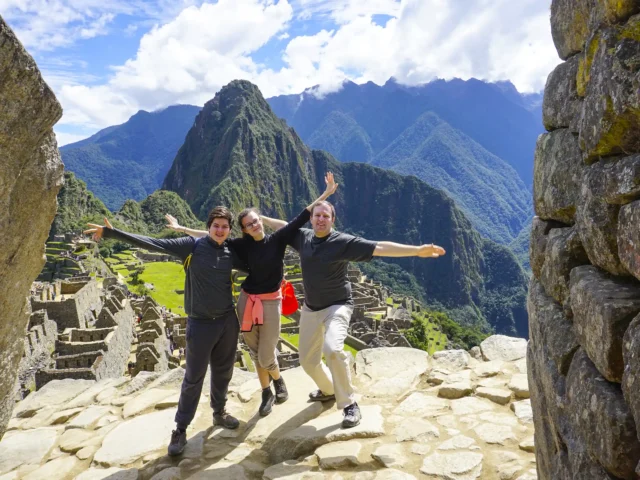
Take the shuttle in line with your ticket and follow the purchased route. A guide can explain masonry, water management, and the relationship between buildings and mountain slopes while you move through the permitted path.
This is not a free-roaming site. Keep your expectations tied to the route on the ticket; a mountain route and a broader archaeological circuit are different products. After the tour, descend to town and continue by train and road to Cusco.
- Transport: shuttle bus, walking, train, and road vehicle.
- Walking: allow approximately 1.5–2.5 hours for a standard route with guiding, within its current permitted duration.
- Elevation: citadel around 2,430 m / 7,972 ft; overnight Cusco at around 3,399 m / 11,152 ft.
- Terrain and effort: uneven stone, stairs, and exposed sections; moderate.
- Daily highlight: the terraces and mountain walls seen together from your booked route.
Check the official route map before purchasing. A private guide does not add access to another circuit. Official circuit information
Day 8 — A Full Day in Cusco
Use the morning for the center or selected nearby archaeology, then leave the afternoon for a museum, market, or meal. It is tempting to add Rainbow Mountain here, but that changes the physical demands substantially and removes your main city day.
Cusco rewards close attention: fitted stones at street level, courtyard doors, and the change in light across tiled roofs. A shorter route with time to stop works better than treating every uphill lane as a test.
- Transport: walking plus vehicle for outlying sites if booked.
- Walking: about 3–5 km / 1.9–3.1 mi across the chosen program.
- Elevation: around 3,399 m / 11,152 ft, higher at some nearby archaeological stops.
- Terrain and effort: uneven pavement and stairs; easy to moderate at a measured pace.
- Overnight: Cusco.
- Daily highlight: a day that belongs to the city instead of another long transfer.
Day 9 — Fly Back to Lima
Return to Lima and settle into the final hotel. If the flight and traffic allow, add a meal or a short neighborhood outing. Keep the main purpose clear: you are already in the international departure city before the final day.
- Transport: airport transfers and domestic flight.
- Walking: optional 1–3 km / 0.6–1.9 mi.
- Elevation: return to coastal conditions.
- Effort: low.
- Overnight: Lima.
- Daily highlight: a final evening with breathing space around the onward journey.
Day 10 — International Departure
Leave for the airport according to your airline’s check-in guidance and the driver’s traffic estimate. Check the room, safe, charging sockets, and vehicle seat before each departure.
- Transport: hotel-to-airport road transfer.
- Walking and effort: minimal; low exertion.
- Overnight: not included.
- Daily highlight: a straightforward finish with the key transfers already arranged.
What to Change if Your Priorities Differ
For a gentler pace: remove Huacachina, or remove both coastal nights and add time in Lima and the Sacred Valley. This is the best adjustment when long drives, boat motion, or frequent packing are concerns.
For Arequipa and Colca Canyon: replace the coast section and redesign the flights. Do not attach them to the existing program as an extra day. Colca needs its own altitude and road-time assessment.
For Lake Titicaca: allow proper time around Puno after acclimatization and remove another region. A lake overnight is more meaningful when it is not squeezed between two long bus rides.
For the Amazon: consider extending the trip or replacing the coast with a dedicated lodge stay. Confirm gateway flights and boat transfers before assigning the last jungle morning to an international departure.
For an Inca Trail trek: rebuild the itinerary around the permit and required preparation. A four-day trek is not a direct replacement for one afternoon in the valley.
Private Service Planning Proposal
These figures are proposed planning budgets, not confirmed agency prices or guaranteed 2027 rates. They assume nine nights in twin or double rooms, hotel breakfasts, one valley lunch, specified road transfers, scheduled guiding, listed admissions, standard tourist rail, one Machu Picchu route, shuttle buses, and a shared Ballestas boat. Flights are excluded.
| Travelers together | Proposed private price per person | What private service adds |
|---|---|---|
| Two | US$2,390 | Your own road schedule and guide pace for specified land outings |
| Four | US$2,090 | Fixed transport and guiding costs shared within your party |
| Six | US$1,940 | A coordinated itinerary without joining a larger road excursion |
Private land service still uses public train and shuttle seats and the specified shared boat. A private boat charter, upgraded rail, and dune buggy activity require separate quotes.

Shared Service Planning Proposal
Illustrative shared price: US$1,740 per person, based on double occupancy and pooled tours and transfers where available, with the same stated core inclusions. Participants may change between the coast and Andes. Confirm the passenger cap, guide language, pickup coverage, and pace for each outing.
Direct operator coast products illustrate why scope matters: some two-day programs list accommodation as an optional addition. Compare that detail before comparing the price with a nine-night package. Peru Hop product reference
Additions and Discounts
As planning allowances, set aside US$25–45 per person for a standard shared dune activity, US$60–150 per person per direction for a rail upgrade, or US$80–160 per room for an extra midrange night. These are estimates requiring current supplier confirmation.
Discount eligibility differs among protected areas, archaeological tickets, trains, and hotels. Send ages and accepted student documents before issuance. Do not assume a universal package reduction or that a young child’s free admission includes a vehicle seat, bed, or boat place.
Inclusions and Exclusions to Check
- All nine hotels, room categories, and breakfasts.
- Domestic flight inclusion or exclusion, with baggage clearly stated.
- Coast transfers, boat tickets, port and reserve charges, and pickup points.
- Valley and Cusco admissions, with any separate church or museum fees identified.
- Machu Picchu route, time, rail product, shuttle, and guide arrangement.
- The final transfer back to your Cusco hotel.
- Cancellation terms for weather-related boat closures and other disruptions.
The base proposal excludes international and domestic flights, insurance, tips, unlisted meals, shopping, buggy rides, mountain-route additions, and personal medical costs.
Why Plan With Machu Picchu Andes Tours?
The value of coordination is visible on the complicated days. Ask Machu Picchu Andes Tours to show the full coast-to-airport sequence, the sleeping elevations, and the ticket-to-train match. A clear answer matters more than a long list of promised stops.
Request named local suppliers for boats, guiding, and meals. Around Pisac and Ollantaytambo, buy directly where practical, ask before photographing people, and respect private homes and working fields. A community stop should have an agreed purpose and payment arrangement.
For this itinerary, confirm road-vehicle seat belts, boat life jackets, first-aid arrangements, and contact procedures. Food allergies and dietary restrictions need advance confirmation with the actual restaurants and hotels.
Preparation, Packing, and Service Notes
Months ahead: check travel documents, book the Machu Picchu route when available, and coordinate rail and hotels. Begin around six months ahead for high-demand dates where possible; a request is not a guaranteed ticket.
Days ahead: reconfirm flights, boat operation, pickups, and baggage storage. Carry accepted original identification, insurance details, payment cards, a small amount of soles, medication, walking shoes, rainwear, a warm layer, sun protection, and a small rail bag. A motion-sickness plan should come from your clinician or pharmacist when needed.
During travel: allow for different meal customs and daily rhythms, follow wildlife instructions, and keep valuables with you. Tell reservations early about mobility aids, professional filming equipment, animals, or other special requirements.
Payments should be attached to an itemized invoice. Ask which deposit portions buy named tickets, when the balance is due, and how charges change after a cancellation. Store larger luggage only where the hotel or provider has confirmed the arrangement.
Return from Machu Picchu to Cusco
Confirm the shuttle-to-train gap, arrival station, driver meeting point, and hotel delivery. A narrow or pedestrian street may require a short final walk. Do not place an essential flight on the same evening as this return.
Health, Access, and Travel Restrictions
Two valley nights can make the schedule gentler, but they do not guarantee freedom from altitude illness. Reduce effort if unwell, do not ascend with worsening symptoms, and obtain urgent help for confusion, poor coordination, or breathlessness at rest. CDC altitude guidance
Boat motion, dune vehicles, and steep steps do not suit every traveler. Discuss pregnancy, recent surgery, significant heart or lung conditions, or mobility needs with a clinician and the actual activity provider. Age alone should not decide participation.
Ports, roads, trains, or sites can close because of weather, demonstrations, or official decisions. The response may be a changed stop, additional night, or canceled activity. No provider should promise passage through a closure. Keep an insurance-backed contingency and check belongings before leaving each vehicle or room.
Frequently Asked Questions
Is ten days enough for Peru?
It is enough for a focused route through selected regions. It is not enough to cover the coast, Cusco, the Amazon, Titicaca, and Colca at a sensible pace.
Is the coast section necessary?
No. It adds contrast, but it also adds road time. Removing it gives the Andean section more breathing space.
Can I add Rainbow Mountain on the Cusco day?
Only after reassessing altitude, health, and priorities. It is a much higher and more demanding outing, not simply another city attraction.
Can private service change the Machu Picchu circuit?
The purchased ticket determines access. Ask for the desired route before issuance; a private guide cannot override the ticket.
What should I request first?
Ask Machu Picchu Andes Tours for the confirmed route availability, hotel-night sequence, total road time on Day 3, and a complete written quote. Those details tell you whether this version of ten days fits you.