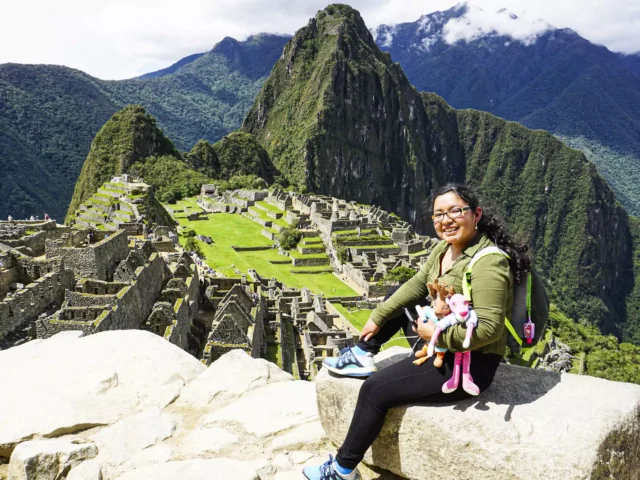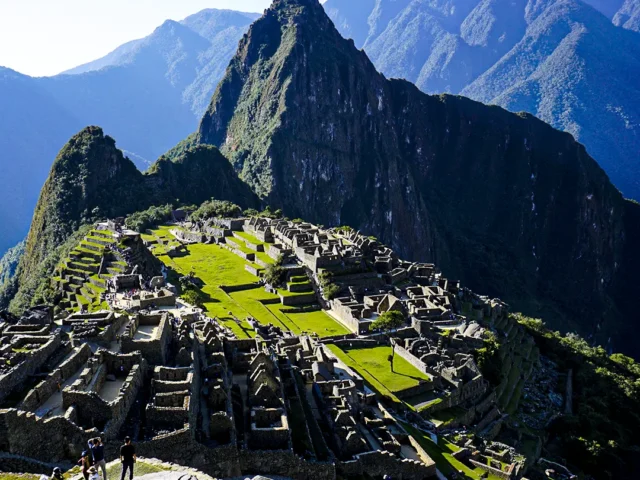


Cloud can slide across the ridge in minutes. One moment the terraces disappear into white; a little later, the walls stand clear against the green slopes. Choosing the month helps shape your chances, but Machu Picchu never works like a weather-controlled stage.
May and September are strong starting points for travelers seeking a balance of walking conditions and seasonal demand. June to August generally offer drier weather, while the wetter months bring greener surroundings and a greater need for flexibility. Your best date also depends on the circuit you want, your tolerance for rain and the rest of your Peru route.
Plan early when your travel window is fixed. Desired admission routes and compatible trains can sell out. Machu Picchu Andes Tours can help compare dates around your priorities, including whether an overnight stay would make the day more comfortable.
Updated 4 November 2026 for travel planning, including published 2027 measures. Seasonal patterns are not a forecast for a particular day.
Seasonal Highlights
- Drier months favor steady walking. Less frequent rainfall can make the stone pathways easier to manage, although wet surfaces remain possible.
- Shoulder months offer useful compromises. Compare May, September and parts of April or October according to the wider itinerary.
- Rainy months change the atmosphere. Moisture deepens the greens and moving cloud changes the view, but may also block it entirely.
- An overnight stay widens your choices. Sleeping in Machu Picchu Pueblo makes early admission more practical than racing from Cusco.
- A suitable route matters more than a fashionable month. The wrong circuit in clear weather can disappoint more than the right circuit under shifting cloud.
- Good timing protects your energy. Build space for a meal, a dry change of clothing and the return train.
Trip Details
- Destination: Machu Picchu, on the eastern side of the Andes in the Cusco region.
- Archaeological elevation: approximately 2,430 m / 7,972 ft.
- Drier planning period: broadly April–October, with May–September generally the drier core.
- Wetter planning period: broadly November–March.
- Travel pattern: road and train to Machu Picchu Pueblo, then local shuttle or a strenuous uphill walk.
- Suggested duration: two days if early entry, a mountain route or transport flexibility matters.
- Terrain: stone stairs, irregular paving and exposed sections on certain extensions.
- Main booking constraint: the specific route and entry time, not merely a date in a preferred month.
- Lodging: hotel in Machu Picchu Pueblo; camping is not part of the standard rail itinerary.
SERNANP identifies November–March as the rainy period and recommends April–October for the sanctuary. Regional SENAMHI climate work also shows rainfall concentrated in the southern summer, with lower precipitation through the middle of the year. SERNANP sanctuary guidance and SENAMHI regional precipitation study.
Month-by-Month Planning Guide
| Month | Broad pattern | What it means for your plans |
|---|---|---|
| January | Wet season | Expect rain and leave extra transport flexibility |
| February | Wet season; annual Inca Trail closure period | Consider the rail approach and verify current operations |
| March | Rain continues, sometimes easing later | Keep route and clothing choices weather-ready |
| April | Transition toward drier conditions | A useful candidate if you accept occasional rain |
| May | Generally drier, with green slopes after the rains | A strong overall compromise for many travelers |
| June | Drier period; major Cusco festivities | Book admission, trains and Cusco hotels early |
| July | Drier period and international holiday demand | Expect competition for sought-after routes |
| August | Often dry, with cool starts and busy travel patterns | Confirm availability before fixing a narrow schedule |
| September | Generally a useful transition from the dry core | Compare dates for walking and photography priorities |
| October | Increasing variability and returning rain | Pack fully for rain even when mornings begin clear |
| November | Wetter period developing | Favor flexible arrangements and suitable footwear |
| December | Wet season plus year-end demand | Rain does not necessarily mean low prices or plentiful tickets |
Use the monthly pattern to choose a travel window, then check a local forecast near departure. A forecast for Cusco city does not describe conditions at Machu Picchu, which sits lower and has a different setting. Pack for both places when your journey begins in Cusco.
Best Months for Different Priorities
For a first trip with balanced conditions
Start by comparing May and September. They often fit an itinerary that combines Cusco, the Sacred Valley and a rail journey without concentrating everything in the June–August holiday period.
That is a planning judgment, not a guarantee of lower prices or thinner crowds. A particular weekend, school holiday or limited train departure can still make your dates busy. Check the route you want before assuming a shoulder month has spare capacity.
For the lowest chance of prolonged rain
The middle of the dry period is the stronger choice. May through September generally provides more favorable odds than January or February. Keep a waterproof layer anyway: mountain cloud does not obey a packing checklist.
Dry months can also bring cold starts in Cusco and the higher Sacred Valley. Do not pack only for the warmer air around Machu Picchu Pueblo. You may move through several temperature zones in one travel day.
For green slopes and moving cloud
The wetter period can suit travelers who accept that the wide view may appear only briefly—or not during their allocated route. A soft cloud background can be striking, but a ticket does not allow you to remain indefinitely until the sky clears.
If that uncertainty would spoil the trip for you, choose a drier month rather than relying on promotional photographs of sunlit rainy-season days.
For a mountain ascent
Prioritize manageable trail conditions, your fitness and the correct access time. Wet stone and narrow steps can make an already demanding climb harder. A clear forecast does not remove the need to assess your knees, balance and comfort with exposure.
The 2027 mountain rules introduce revised deadlines. Match the actual ticket to your rail arrival or overnight base. Official mountain-route amendment effective in 2027.
For a lower overall cost
Compare several dates and departure times rather than choosing “rainy season” on price alone. Hotels may offer different rates, but train inventory and holidays can keep costs high. Christmas and New Year can combine rain with strong demand.
The useful comparison is the complete cost: admission, train, road transfer, shuttle, guide and any additional hotel night. A cheaper afternoon train may require a room that removes the saving.
Is Morning or Afternoon Better?
Morning entry
Morning can suit a traveler sleeping in Machu Picchu Pueblo or taking a mountain route with an early control requirement. The air may feel fresh, and getting started earlier can leave more room before the return train.
However, early cloud may cover the settlement. The earliest entry also draws many travelers hoping for a clear first view, so it should not be advertised as a guaranteed way to avoid crowds.
Later entry
A later slot can fit a same-day arrival from Cusco more comfortably, provided the train and shuttle margin is realistic. Some travelers prefer the slower start and the possibility of changing light later in the day.
It also leaves less room for delays and can push the return journey later. In wet periods, afternoon rain is possible, but rain can occur at other times too. Choose by the complete itinerary rather than a promise that one hour always has better weather.
What about sunrise or sunset?
Do not buy a trip on the assumption that you can stand anywhere you like for either event. The sun’s position, mountain horizon, cloud, route access and operating hours all matter. A photographic term in an advertisement is not an access entitlement.
Tell the agency the image you hope to make. It can then check which authorized route and time have a realistic chance of supporting that goal.
The 2027 Calendar and Seasonal Routes
The published 2027 capacity framework includes higher-capacity dates around New Year, Easter, the long June–November period and the end of December. The full ranges are set out in the official annual resolution.
That calendar is an administrative measure, not a weather forecast. It also should not be treated as proof that every seasonal extension has already been loaded for every date. Check the chosen route in the live official inventory.
Intipunku, the Inca Bridge, the Great Cavern and Huchuy Picchu have seasonal labels in the official route directory. If one of these is the reason for your journey, verify its operation before purchasing nonchangeable transport. Official route list.
Does Machu Picchu Close in February?
The annual February maintenance closure concerns the Inca Trail network. It should not be confused with an automatic month-long closure of the archaeological site to rail travelers.
SERNANP’s 2026 notice specified the trail-network closure and reopening arrangements. Use it as evidence of the annual maintenance practice, then check the current-year announcement before booking a trek. Official trail closure notice.
Rail and archaeological operations can still be affected by weather or other disruptions. “Normally open” is not a guarantee that every train or mountain route will operate on your date.
A Two-Day Plan That Works Across Seasons
First Day — Reach Town With Time to Prepare
Travel from Cusco to the Sacred Valley and board your train to Machu Picchu Pueblo. In drier months, the change from cool upland air to the warmer river corridor can be noticeable. During rainier months, keep a waterproof layer and bag cover within reach rather than buried in luggage.
At the hotel, check that clothing can dry and that breakfast fits the next morning’s plan. A room away from constant corridor noise may be worth more than an elaborate view when you need a sound night’s sleep.
Daily highlight: watch the river corridor change while arriving early enough to prepare calmly for the site.
- Transport: vehicle to Ollantaytambo, scheduled train and walking to the hotel.
- Travel allowance: approximately 3–5 hours of combined road and rail travel, excluding boarding and waiting.
- Walking: roughly 1–3 km / 0.6–1.9 miles around stations and town.
- Overnight altitude: approximately 2,040 m / 6,693 ft.
- Seasonal adjustment: waterproof storage in wet months; an extra warm layer for the Cusco departure in dry months.
Second Day — Follow the Weather Without Fighting the Schedule
Take the shuttle with enough margin for your printed entry. If mist covers the ridge, keep moving through the permitted route rather than crowding a narrow viewpoint. The guide can direct your attention to nearby stonework, drainage and terraces while conditions change.
Afterward, return to town, change damp clothing if necessary and eat before the train. Leave the departure margin intact. Waiting for one last opening in the cloud is not worth missing a fixed return.
Daily highlight: follow the shifting light across the terraces while giving the route its proper time.
- Transport: local shuttles, train and vehicle back to Cusco.
- Walking: many standard archaeological arrangements take about 1.5–2.5 hours, within the selected route’s limits.
- Elevation: approximately 2,430 m / 7,972 ft at the site.
- Surface: irregular stone, sometimes wet even after rain has stopped.
- Overnight: Cusco; keep a buffer before an essential onward flight.

Private Service Price Proposal
Use these illustrative 2027 amounts for the two-day rail arrangement. They are not confirmed Machu Picchu Andes Tours tariffs and do not assume that the price stays the same in every month.
| Adults in your party | Planning amount per person | Seasonal value of private coordination |
|---|---|---|
| 2 | US$595 | Your own road transfer and archaeological guide |
| 4 | US$545 | Easier coordination of family clothing, meals and walking needs |
| 6 | US$525 | Shared fixed costs within your own party |
The proposed scope includes standard scheduled return trains, one ordinary admission ticket, local return shuttles, private road transfers, private archaeological guiding and one twin-share hotel night with breakfast. It excludes flights, Cusco hotels, most meals, tips, insurance and mountain-specific additions.
Private service improves coordination and discussion of your preferences. It cannot change the weather, bypass a closure or grant extra time beyond the ticketed route. Trains and shuttles remain shared unless a different transport product is expressly purchased.
Shared Service Price Proposal
Illustrative shared price: US$495 per adult for the same overnight framework with shared road transfers and guiding. Ask for the group cap, departure requirements and guiding language before paying.
The group follows one pace and schedule, with travelers from different backgrounds. A person needing a long rest or a lengthy photo session should discuss that before joining. The actual price depends on train inventory and the named hotel. A direct operator’s overnight product provides a market comparison.
Optional Additions and Discounts
Allow US$40–100 per person as a planning range for a one-direction panoramic rail upgrade and US$40–90 per person for an extra twin-share hotel night. Obtain live amounts for your date. A mountain route or a second admission requires a fresh availability and timing check.
Student and child reductions depend on the specific supplier and accepted documents. A seasonal promotion may exclude discounted categories or restrict changes. Ask for the final payable total rather than subtracting a fixed amount from every component.
Why Choose Machu Picchu Andes Tours for Seasonal Planning?
Ask the Cusco team to build the proposal around your tolerance for rain, desired route and wider Peru journey. A traveler combining the coast and Andes may make a different month choice from someone focused entirely on trekking.
Useful support includes a clear weather-ready packing list, compatible transport margins and an explained disruption plan. Request a suitable vehicle, working seat belts, guide arrangements and basic first-aid provision. Confirm that the hotel and rail arrangements leave enough time to prepare for the conditions.
Choose local meals and services with clear prices in Ollantaytambo and Machu Picchu Pueblo. Respect residents’ working routines, ask before photographs and avoid treating a rainy-day change as an excuse to pressure staff into unsafe alternatives.
What the Package Should Include
- The exact route and admission time you have approved.
- Named train services and stations in both directions.
- Road transfers and a clear Cusco return point.
- Uphill and downhill shuttle tickets where specified.
- Guide language, meeting details and route coverage.
- Named hotel, twin-room terms and breakfast arrangements.
- Payment fees, taxes and supplier change conditions.
Ask separately about meals, extra nights, mountain guiding and a second route. If your hotel offers luggage storage, confirm the hours and responsibility for valuables.
Preparation and Packing by Season
Several months ahead: compare route inventory and train options, begin planning up to six months before fixed dates and buy when the official sales period permits. Add acclimatization time in Cusco or the Sacred Valley before demanding hikes.
A few days ahead: check the SENAMHI forecast service, rail notices and the agency’s operating update. A long-range seasonal guide cannot replace those checks.
Every month: bring original documents, offline tickets, grippy shoes, a waterproof jacket or poncho, a light warm layer, sun protection, non-aerosol repellent, water and personal medicines.
Wetter months: add dry bags, a spare pair of socks and a way to protect documents. Do not depend on a hotel room to dry soaked shoes overnight.
Drier months: keep warm layers for early Cusco departures and evenings. Bright sunshine can still be strong when the air feels cool.
Follow the official conduct rules: umbrellas, large bags and various camera supports are restricted. Tell reservations beforehand about mobility aids, assistance needs, allergies or professional filming plans.
Service Notes and Return From Machu Picchu to Cusco
Travel with the luggage permitted by your actual rail product. Store the main suitcase at an agreed location and check how late you can collect it. Keep passports, medicines, money and electronics with you.
The return combines the descent to town, the scheduled train and the final road segment. Confirm whether the package ends at your hotel, a rail operator’s bus terminal or another accessible point. Do not assume a late train automatically includes a private hotel transfer.
Ask why each payment is due and which supplier commitments it covers. Named tickets and hotel allocations have different change rules. An additional night caused by disruption may require a new payment, so request the process in writing.
Weather Disruptions and Health Limits
Heavy rain can affect roads, tracks and walking surfaces. Strikes and demonstrations can also interrupt transport in any season. Staff may propose an earlier departure or a revised overnight plan; ask for the reason, costs and effect on the rest of your itinerary.
Adjust to elevation before strenuous activity. Do not continue higher with altitude symptoms, and seek help if they worsen. Severe breathlessness at rest, confusion or loss of coordination requires urgent assistance and descent. CDC altitude guidance.
Older age alone does not determine suitability. Existing medical conditions, balance, walking ability and the chosen route matter more. For a demanding mountain ascent, discuss relevant concerns with your clinician before travel.
Frequently Asked Questions
What is the best single month?
May is a useful first candidate for many travelers, with September another strong option. The final choice should follow your route, wider itinerary and tolerance for rain and demand.
Will I get a clear view in the dry season?
There is no guarantee. Drier seasonal patterns improve the odds but do not eliminate cloud or rain on a particular day.
Is rainy season always cheaper?
No. Holiday periods, limited train seats and room availability can keep prices high. Compare complete dated quotations.
Can I spend longer inside if fog covers the view?
Do not assume that. Your ticket’s route and time conditions still apply. Follow staff directions and make the most of the allowed path.
Is a two-day trip better for weather?
It improves transport flexibility and makes early entry more practical, but one overnight stay does not automatically provide a second admission day. A second route or day needs its own ticket and planning.
What should I tell Machu Picchu Andes Tours?
Give your date range, preferred route, rain tolerance, walking limits and return-flight date. Ask for a plan with enough margin to handle ordinary delays without promising control over the weather.